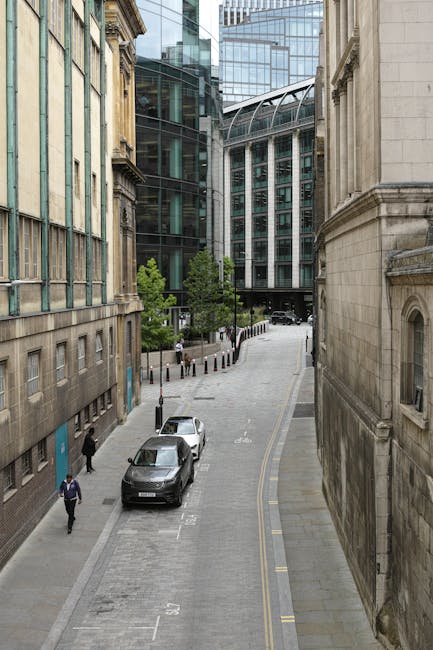
Blackfriars Road removals guide for narrow street access

Moving on or around Blackfriars Road sounds straightforward until the van turns up and the street feels just a touch too tight, the kerb is already busy, and there is nowhere sensible to pause. That is the reality for a lot of central London moves. This Blackfriars Road removals guide for narrow street access is here to make that easier, calmer, and far less last-minute.
Whether you are moving from a flat, a shared apartment, a small office, or a student property, narrow access changes the whole game. You need to think about vehicle size, loading distance, lift access, stair turns, timing, and who is actually going to hold the lift doors while someone carries a wardrobe downstairs. In other words, the details matter. A lot.
This guide walks you through the practical side of moving in a tight street setting: how the process works, the risks to avoid, what to prepare before moving day, and which removal options tend to suit Blackfriars Road best. It also includes a checklist, a comparison table, and a real-world style example so you can plan with a bit more confidence.
Why Blackfriars Road removals guide for narrow street access matters
Blackfriars Road sits in a part of London where movement is constant. Traffic comes and goes, delivery vehicles stop where they can, and the street layout often leaves little breathing room. If you are moving there, the street itself becomes part of the logistics. Not just background noise. Part of the job.
Narrow access matters because a removal is not only about getting items from A to B. It is about getting a vehicle close enough to the entrance, doing it safely, and avoiding the sort of bottlenecks that chew up time and energy. A sofa that would be easy on a suburban road can become awkward if the van has to stop around the corner and everything must be carried a longer distance. That extra distance changes labour, timing, and risk.
It also affects how you choose the service. A full-size lorry is not always the most practical option. Sometimes a man and van setup, a smaller removal van, or a carefully planned home move is the smarter fit. Truth be told, smaller and better planned often beats larger and awkward.
On Blackfriars Road, the difference between a smooth move and a frustrating one is usually preparation. If the team knows the street conditions, the building access, and the best unloading point in advance, the day tends to feel much less chaotic. And yes, there is always a little chaos in removals. But it does not need to run the show.
Expert takeaway: In narrow street moves, access planning is just as important as packing. If the vehicle cannot get close, the move becomes slower, heavier, and more expensive in practical terms, even when the quote looked fine on paper.
How Blackfriars Road removals guide for narrow street access works
A narrow-street move works best when the plan starts before moving day. The goal is simple: reduce the distance between the vehicle and the property, minimise delays, and avoid preventable access issues. That starts with a proper look at the building, the road, and the items being moved.
Typically, the process begins with a quote request and a few key details: property type, floor level, lift access, parking conditions, furniture size, and whether there are any awkward items like a piano, large wardrobe, or glass table. If you are moving a flat, a dedicated flat removals service may be more suitable than a generic move because the access problems are often more predictable but also more fiddly. Flats love a lift until the lift is tiny. Then everyone starts negotiating with the staircase.
From there, the mover decides what kind of vehicle and crew size makes sense. On a tight road, a smaller vehicle may be easier to park and quicker to position, especially if there is limited stopping space or shared loading areas. A team with experience in removal services will usually think in terms of clearance, walking distance, and time efficiency, not just what fits on the van itself.
Most narrow-access moves also need a loading strategy. That can mean:
- bringing boxes to the ground floor first
- protecting door frames and corners before large items move
- using trolleys or sack trucks where the route allows it
- splitting the load into smaller, more manageable runs
- assigning one person to guide the route while another carries
If the street is especially tight, the best plan may involve timing the vehicle arrival to avoid peak congestion. Early morning can often be calmer than late morning. Not always, but often enough to matter. On a street like Blackfriars Road, five minutes can feel strangely long when there is a queue behind you.
For some moves, storage becomes part of the plan too. If access is awkward and your keys or completion timing do not line up neatly, using storage can remove pressure. It is not glamorous, but it can save the day.
Key benefits and practical advantages
Getting the access plan right brings more than convenience. It improves safety, speed, and peace of mind. And let's face it, peace of mind is underrated on moving day.
- Less carrying distance: The closer the van can get, the fewer trips and the lower the physical strain.
- Lower risk of damage: Tight corners, kerbs, and stairwells are where scuffs happen.
- Better time control: Narrow streets magnify delays, so planning helps keep the move on schedule.
- More suitable vehicle choice: You can pick a van or truck that matches the street rather than forcing a bad fit.
- Cleaner budgeting: When access is planned honestly, quotes tend to reflect reality instead of guesswork.
- Reduced stress for residents and neighbours: A tidy, efficient load-in is simply easier on everyone nearby.
There is also a confidence benefit that people often underestimate. When you know the van can realistically access the area, or you have a fallback plan if it cannot, the whole day feels less brittle. You stop worrying about "what if the van ends up half a street away?" and start focusing on the move itself.
For commercial clients, this can be even more important. If you are relocating a small business, a tight street move can disrupt staff arrival, customer access, and delivery timing. Services such as commercial moves or office removals are often best planned around access windows, not just inventory.
Who this is for and when it makes sense
This guide is for anyone moving in or near Blackfriars Road where the street width, traffic flow, or building access might complicate a standard removal. It is especially useful if you are in a flat above ground level, moving furniture through shared entrances, or dealing with limited parking and stopping options.
You will find it particularly relevant if you are:
- moving from a London flat with stairs or a small lift
- relocating an office in a mixed-use building
- handling a student move with a few bulky pieces and a lot of boxes
- moving a piano or other heavy specialist item
- trying to do everything in a single day because timing is tight
- moving out of a property where access is shared with shops or other tenants
A lot of people assume narrow access only matters for big removals. Not quite. Even a small move can become awkward if the van cannot wait nearby, or if you are carrying from a side street and the weather turns a bit miserable. A drizzly London morning and a chest of drawers do not always get along.
For students, the problem is often less about volume and more about speed and timing. The right student removals plan can keep things compact and simple, especially if you only have a few large bags, a desk, and a mattress to deal with.
Step-by-step guidance
If you want the move to feel organised rather than improvised, use this sequence. It works well for narrow street access because it forces the important decisions early.
- Measure the access points. Check door widths, staircase turns, lift dimensions, and any awkward bends from the entrance to the road.
- Map the route from van to property. Note how far the team may need to carry items if the vehicle cannot stop directly outside.
- List bulky or fragile items. Sofas, wardrobes, mirrors, desks, TVs, and anything awkward should be identified early.
- Decide what vehicle size is realistic. A smaller vehicle may be a better fit on a narrow street than a larger one, even if it means more careful load planning.
- Confirm timing and access restrictions. Check building entry times, loading permissions, and whether the area gets busier at certain times of day.
- Prepare items for quick movement. Pack boxes securely and keep essential items separate, especially keys, documents, and chargers.
- Protect the property and the items. Use blankets, covers, and floor protection where needed.
- Keep the path clear. Hallways, doorways, and stairwells should not become a second storage area on moving day. It happens. Best avoided.
- Have a fallback plan. If the direct spot is blocked, know where the van can stop safely and how far the extra carry will be.
- Do a final walk-through. Check cupboards, lofts, balconies, and behind doors before leaving. That last look saves headaches later.
If you are using a service like man with van or a larger moving truck, ask the team how they usually handle tight access. A good provider will talk plainly about the street, not just the quote. That conversation tells you a lot.
For packed properties, think about using packing and boxes or packing and unpacking services if time is short or you want a cleaner handover. It is one less moving-day scramble. And on a tight street, every saved minute helps.
Expert tips for better results
Here is the practical stuff that tends to make the biggest difference on narrow-access jobs.
Choose the right size vehicle, not the biggest one available
Bigger is not always better in central London. If the van is too large to position comfortably, the whole move becomes slower. A smaller vehicle can often park more easily, make fewer awkward manoeuvres, and reduce the chance of blocking the road longer than necessary.
Plan for the actual walking distance
People often think about road distance and forget carrying distance. A 20-metre walk from the van to the entrance sounds fine until it is repeated twenty times with boxes, mirrors, and a table base. That is where small delays add up.
Break bulky loads into safer parts
Disassemble what you can. Bed frames, table legs, and shelving are usually easier to move separately. It is not just about convenience. It is about reducing injury risk and the chance of bumping a wall while turning a corner.
Use building features to your advantage
Some properties have side access, internal courtyards, or loading bays that are not obvious at first glance. Sometimes the best route is not the front door. You just need to ask the right questions early.
Keep neighbours and building staff in the loop
A quick heads-up can avoid awkward moments. If a concierge, porter, or neighbour knows roughly when the move is happening, access tends to be smoother. Simple, but effective.
Have fragile items packed before the crew arrives
Glass, framed art, and electronics should be ready to go, not still being wrapped while the van waits. On a narrow street, there is no advantage in making the crew stand around. They will not enjoy it, and neither will you.
If you are dealing with specialist items, such as a piano, it is worth speaking to a provider that offers piano removals. A piano and a tight staircase can become a very bad combination very quickly. Best not to learn that the hard way.
Common mistakes to avoid
Most access problems are preventable. The frustrating part is that people usually realise this after the van has arrived.
- Assuming the van can stop right outside. In London, assumptions are expensive.
- Underestimating how busy the road gets. Traffic, delivery vehicles, cyclists, pedestrians, everyone competes for the same space.
- Booking a vehicle that is too large. It may carry everything in theory, but theory does not help when the kerb is blocked.
- Leaving packing until the morning of the move. That creates pressure right when you need calm.
- Ignoring building rules or access times. Some properties are stricter than they first appear.
- Forgetting to measure the biggest items. If the sofa cannot turn the corner, it will not magically become slimmer.
- Not telling the mover about awkward access. Surprises are not helpful when a crew is already on site.
Another subtle mistake is packing everything neatly but not labelling it clearly. On a tight move, clear labelling saves time because the crew can place items more efficiently. It sounds minor, but it really does help.
And one more, because this one crops up a lot: people often forget that street access can change by the hour. A quiet 7:30 a.m. road may look completely different by 9:00 a.m. So timing matters. More than people think.
Tools, resources and recommendations
You do not need fancy gear for a successful narrow-street move, but the right tools make the work safer and cleaner.
- Measuring tape: Use it for door widths, stair turns, and furniture dimensions.
- Furniture blankets and covers: Useful for protecting corners, polished surfaces, and items that might rub against walls.
- Trolley or sack truck: Helpful where the path allows it, especially for heavier boxes.
- Strong tape and labels: Keeps boxes secure and easy to identify.
- Floor protection: Worth using in communal hallways or carefully finished flats.
- Spare bags for last-minute items: Because there is always a drawer somewhere that still has loose bits in it.
On the service side, it can help to look at the move in layers. For example, if you are unsure whether you need a full removal or something more compact, compare removals with a smaller removal van or a more flexible man and van approach. In a narrow street, flexibility can be more valuable than capacity.
If your move is only partly complete or you need to stagger the timing, consider whether temporary storage might make the day easier. It is often overlooked, but it can reduce pressure when keys, completion times, or building access are not lining up neatly.
Law, compliance, standards, or best practice
For a move like this, the most relevant point is not legal jargon. It is practical compliance and safe working. Removal activity in London should be carried out with care for pedestrians, vehicles, building occupants, and the property itself. That means sensible loading practices, attention to access restrictions, and decent communication.
Best practice usually includes:
- loading and unloading in a way that does not create unnecessary obstruction
- keeping walkways as clear as possible
- using appropriate lifting methods for heavy or awkward items
- checking building rules before arrival
- respecting any insurance or safety expectations connected to the move
If you are comparing providers, it is sensible to review pages such as insurance and safety, health and safety policy, and terms and conditions. Those pages help you understand how the company approaches responsibility, risk, and service boundaries.
For pricing and payment, the same principle applies. Clear terms are better than vague promises. If you need clarity before you book, a look at pricing and quotes and payment and security is a sensible move. No drama, just a better read on what to expect.
If you care about reducing waste during the move, the company's recycling and sustainability approach may also matter, especially when you are clearing unwanted furniture or packing materials. Small things, but they add up.
Options, methods, or comparison table
Different move types suit different access conditions. Narrow streets reward planning and a realistic match between property, vehicle, and workload. Here is a simple comparison to help you think it through.
| Option | Best for | Strengths | Limitations |
|---|---|---|---|
| Man and van | Smaller moves, flexible access, flats, student moves | Easier to position on tight roads, flexible timing, often quicker for short-load jobs | Less capacity than larger vehicles |
| Removal van | Moderate household moves with awkward access | Good balance of size and manoeuvrability | May still need careful parking planning |
| Moving truck | Larger moves where loading space is more important than street convenience | Higher capacity, suitable for bigger inventories | Harder to place on narrow streets and busier roads |
| Full removals service | Complex moves, multiple floors, fragile or heavy items | More support, better for larger or trickier jobs | May cost more and still requires good access planning |
For a lot of Blackfriars Road jobs, the best answer is not one extreme or the other. It is usually a careful middle ground. A well-run removal services booking with a suitable vehicle often gives the best blend of convenience and access control.
Case study or real-world example
Imagine a one-bedroom flat move on Blackfriars Road. Nothing huge: a bed frame, mattress, two bookcases, a sofa, a dining table, and about 18 boxes. On paper, this looks like a standard move. In reality, the street outside is tight, there is passing traffic, and the building entrance sits a little set back from the kerb.
The smart approach is to use a smaller van that can stop nearby without causing a long hold-up. The crew arrives early, walks the route from van to flat, and checks the lift dimensions before moving anything heavy. The bed frame is dismantled in advance. The sofa is wrapped. Boxes are grouped by room so they can be loaded in a sensible order.
Nothing dramatic happens. Which is exactly the point. The van is not trying to perform a three-point turn in a space that barely wants one. The team avoids repeated back-and-forth trips because the boxes are ready. The move still takes effort, but it does not turn into a street-side puzzle.
Now compare that with a rushed version of the same move. The van arrives too late, parking is awkward, the sofa has not been measured, and the crew discovers the lift is too small for one of the larger items. Suddenly there is pressure, annoyance, and extra carrying. The difference is not luck. It is planning.
Practical checklist
Use this checklist a few days before the move and again on the morning itself.
- Measure entrances, stairs, lift space, and any awkward corners
- Confirm the van size and whether it suits the street
- Check building access times and any loading restrictions
- Pack boxes securely and label them clearly
- Disassemble bulky furniture where possible
- Protect fragile items with suitable wrapping
- Clear hallways, landings, and exits
- Keep essentials separate: keys, documents, phone charger, medications, spare clothes
- Warn neighbours or building staff if needed
- Keep a fallback loading point in mind if the curbside space is taken
- Review insurance, safety, and payment details before moving day
If you are still deciding which service level fits your move, it can help to compare house removals with home moves and smaller-scale options such as man with a van. The right choice depends less on prestige and more on access, size, and timing.
Conclusion
Narrow street access on Blackfriars Road does not have to mean a difficult move. It just means the move needs a little more thought, a bit more accuracy, and a vehicle plan that makes sense for central London rather than for somewhere with wide residential roads and easy kerbside space. If you prepare early, measure properly, and choose the right type of removal support, the day becomes much more manageable.
The best moves usually look simple from the outside because somebody has done the careful work in advance. That is the whole trick, really. Good removals are often invisible in the moment because the planning has already done its job. And that is a nice feeling when you are standing by the front door with a kettle, a box of books, and one last look back.
Get a free quote today and see how much you can save.
For a smoother move, choose a team that understands central London access, communicates clearly, and treats narrow-street planning as part of the service, not an afterthought. A calm move is still possible. Honestly, it is more possible than people think.
Frequently Asked Questions
What makes Blackfriars Road removals difficult?
The main challenge is access. Blackfriars Road can be busy, and narrow stopping space means the van may not be able to park directly outside the property. That affects carrying distance, timing, and loading speed.
Should I book a smaller vehicle for a narrow street move?
Often, yes. A smaller van or flexible man and van option can be easier to position in tight spaces. The best choice depends on how much you are moving and how close the vehicle can realistically get.
How far in advance should I plan a narrow access removal?
As early as you can. Even a simple move benefits from advance planning because access details, building rules, and vehicle size decisions all depend on accurate information.
Do I need to measure my furniture before the move?
Yes, especially large items like sofas, wardrobes, beds, and tables. Measuring helps avoid surprises at doorways, lifts, and stair turns.
What if the van cannot stop outside my building?
Then the team will usually need to load from the nearest safe position. That may mean a longer carry, so it is worth planning for that possibility before moving day.
Is a flat removal service better for Blackfriars Road?
For many flats, yes. A dedicated flat removals service is often better because it takes lift access, stairs, and shared entrances into account from the start.
Can I use storage if my move dates do not line up?
Yes, and it is often a sensible solution. Storage can help bridge the gap between moving out and moving in, especially if access or completion timing is awkward.
What should I pack first for a narrow street move?
Start with non-essential items and secure them well. Label boxes clearly so the crew can place them efficiently, which matters more when access is tight and time is limited.
Are there special considerations for office moves on Blackfriars Road?
Definitely. Office removals should take account of staff access, equipment, work schedules, and any building restrictions. Narrow street access can affect all of that.
What if I have a heavy or fragile item like a piano?
Use a specialist service. Piano removals are a different job altogether and need proper handling, equipment, and route planning.
How do I know if a removal company is trustworthy for this kind of move?
Look for clear information on safety, insurance, payment, and terms. It also helps if they explain access planning in plain English instead of making vague promises.
Can same-day removals work on a narrow street?
Sometimes, yes, but it depends on vehicle availability and access conditions. For a tight street, same-day jobs work best when the property details are already very clear.